Tardigrades belong to the phylum Tardigrada, a group of microscopic invertebrates found in various habitats worldwide, from mountaintops to the deep sea. Their resilience stems from their ability to enter a state of suspended animation called cryptobiosis, during which their metabolic rate drops to near zero, and they can withstand extreme conditions for extended periods.
One key factor in tardigrades' resistance to radiation lies in their unique DNA damage response mechanisms. When exposed to ionizing radiation, which can cause harmful DNA damage and mutations, tardigrades activate an intricate network of DNA repair pathways. These pathways employ specialized proteins that detect and repair DNA lesions, ensuring the preservation of genetic information critical for survival.
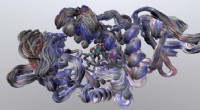
In a recent study published in the journal Nature Communications, researchers focused on a specific protein called Dsup (damage suppressor), abundant in tardigrades. They discovered that Dsup plays a pivotal role in protecting DNA from radiation damage. Dsup binds to and stabilizes DNA structures, preventing strand breakage and other forms of damage induced by radiation. This protective function of Dsup is essential for maintaining the integrity of the tardigrade genome during exposure to high radiation levels.
Another study, published in the journal PLOS Genetics, identified several genes involved in DNA repair and stress response that are highly expressed in tardigrades compared to other animals. These genes encode proteins that participate in base excision repair, a process that removes damaged DNA bases, and homologous recombination, a mechanism that repairs double-strand breaks. The upregulation of these genes further contributes to the tardigrades' ability to mend radiation-induced DNA damage effectively.
Furthermore, tardigrades possess a remarkable ability to sequester free radicals, highly reactive molecules that can cause oxidative damage to cellular components. Their cells contain high concentrations of antioxidants, including superoxide dismutase and catalase, which efficiently neutralize free radicals, preventing cellular damage and dysfunction.
The exceptional resilience of tardigrades to radiation and other extreme conditions has garnered significant interest in the field of astrobiology, the study of life beyond Earth. Understanding the mechanisms underlying tardigrades' survival strategies could provide valuable insights into the potential for life to exist in harsh environments on other planets or moons within our solar system and beyond.
In conclusion, tardigrades' ability to withstand intense radiation stems from a combination of their capacity to enter cryptobiosis, their efficient DNA damage repair mechanisms, and their effective antioxidant defense systems. These remarkable adaptations highlight the incredible diversity and resilience of life on Earth and open new avenues for research into the limits of biological adaptation and survival.