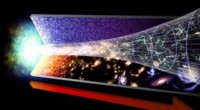
Observable Universe: The observable universe refers to the portion of the universe that we can observe with current technology and telescopes. It is determined by the finite speed of light and the age of the universe. The observable universe is estimated to be about 93 billion light-years in diameter.
Physical Universe: The physical universe includes both the observable universe and regions of the universe beyond our observational capabilities. The actual size of the physical universe is not precisely known, but it is considered to be much larger than the observable universe.
Size Based on Cosmic Microwave Background: Observations of the cosmic microwave background (CMB), which is the remnant radiation from the Big Bang, provide another way to measure the size of the universe. Based on CMB data, the physical universe is estimated to be around 250 times larger than the observable universe. This would put the diameter of the physical universe at approximately 23 trillion light-years.
Inflationary Universe Theory: Some cosmological theories, such as the inflationary universe theory, propose that the universe expanded rapidly (or inflated) in a very short time soon after the Big Bang. This theory suggests that the universe may be far larger than current measurements indicate, with a size potentially beyond our ability to observe.
It's important to note that these measurements and estimates come from our current scientific understanding and observations, and they are subject to revision as new data and theories emerge. The vastness of the universe and its exact size remain topics of ongoing research and fascination in the field of cosmology.