There are different times to view the planets depending on your location. These are the best viewing times for various locations:
- United States: Best viewed before sunrise on Saturday, June 24. Look to the east-southeast horizon.
- Europe: Best viewed before sunrise on Saturday, June 24. Look to the east-southeast horizon.
- Asia: Best viewed before sunrise on Saturday, June 24. Look to the east-southeast horizon.
- Australia: Best viewed after sunset on Friday, June 23. Look to the west-northwest horizon.
To see the planets, you'll need to find a location with an unobstructed view of the eastern or western horizon. If you can, use binoculars or a telescope to get a closer look.
Here's what you'll see:
- Mercury: Mercury is the closest planet to the Sun, and it will be the faintest of the five planets. Look for a small, white dot near the horizon.
- Venus: Venus is the second brightest planet in the sky, and it will be shining brightly in the eastern sky.
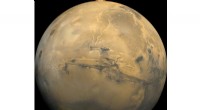
- Mars: Mars is the fourth brightest planet in the sky, and it will be visible as a reddish dot in the eastern sky.
- Jupiter: Jupiter is the largest planet in the solar system, and it will be the second brightest planet in the sky. Look for a large, bright dot in the eastern sky.
- Saturn: Saturn is the sixth brightest planet in the sky, and it will be visible as a yellowish dot in the eastern sky.
This is a rare opportunity to see all five of the brightest planets in our solar system aligned in the sky. Don't miss it!