Natural Light
Humans are naturally diurnal creatures, meaning that our circadian rhythms are regulated by the light-dark cycle. When we are exposed to sunlight, our bodies produce hormones that help us to stay awake and alert. At night, when it is dark, our bodies produce hormones that help us to fall asleep.
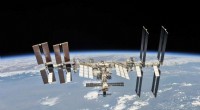
In space, astronauts are not exposed to the same natural light cycles as they are on Earth. This can disrupt their circadian rhythms and make it difficult for them to tell what time it is. They may find themselves feeling tired during the day and awake at night.
Monotony
The daily routine of an astronaut in space is often very monotonous. They spend a lot of time doing the same tasks over and over again, such as eating, sleeping, and exercising. This can make it difficult for them to keep track of how much time has passed.
Absence of Familiar Landmarks
On Earth, we are surrounded by familiar landmarks that help us to keep track of our location and the time of day. In space, there are no such landmarks. This can make it difficult for astronauts to orient themselves and to maintain a sense of time.
In addition to these factors, astronauts in space may also experience psychological effects such as stress, anxiety, and depression. These can further distort their perception of time.
As a result of all of these factors, astronauts in space often report feeling like time is passing more slowly than it actually is. This can make it difficult for them to adjust to life back on Earth after their mission is over.
Some scientists believe that the experience of long-term space travel could affect an astronaut's perception of time to such an extent that it would impact their cognitive and/or physical function. If true, this could result in astronauts becoming disoriented and confused or even making fatal accidents.
More research is needed to fully understand the effects of long-term space travel on the human body, including potential impacts on an astronaut's perception of time.