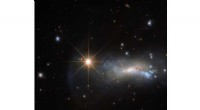
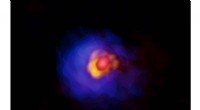
Using the Atacama Large Millimeter/submillimeter Array (ALMA), an advanced telescope, astronomers targeted a region of the sky known as the GOODS North field. This region has been extensively studied, allowing for detailed comparisons with previous observations. Remarkably, the team found a sizeable population of massive, disc-like galaxies that existed between ten to eleven billion years ago, when the universe was only a fraction of its current age.
The presence of these Milky Way-like galaxies was unexpected, as previous observations had suggested that galaxies at these early times were largely more compact and elliptical. The newly discovered galaxies, on the other hand, exhibited large-scale discs, indicative of more evolved systems. This challenges our current understanding of galaxy formation and evolution and prompts the need for new theories and models to explain the early existence of these galaxies.
Lead researcher, Dr. Richard S. Ellis, from University College London in the UK, highlighted the importance of these findings in reshaping our understanding:
"The surprising prevalence of relatively large, disc-like galaxies in the distant universe overturns long-held ideas that such systems were rare or completely absent in the early universe. These results offer a new window into the formative stages of galaxies like the Milky Way and open up exciting avenues for further exploration and research."
The scientists speculate that these Milky Way-like systems could have grown and evolved over time through various mechanisms, such as galaxy mergers and the accretion of surrounding gas. Further studies and observations will be necessary to validate these hypotheses and gain a more complete picture of how these galaxies transformed throughout the history of the universe.
This breakthrough discovery expands our knowledge of galaxy formation and evolution and pushes the boundaries of our understanding of the cosmos in its earliest phases. It also highlights the pivotal role of advanced observational facilities like ALMA in unraveling the mysteries of the distant universe and challenging our current paradigms.