1. Global Mean Sea Level Rise:
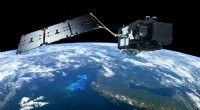
Climate models generally capture the observed global mean sea level rise over the past several decades. However, some models may underestimate or overestimate the rate of sea level rise compared to tide gauge measurements and satellite altimetry data.
2. Regional Sea Level Changes:
Simulating regional sea level changes is more challenging due to factors like ocean currents, wind patterns, and local land movements. Models often show differences in the magnitude and pattern of regional sea level rise compared to observations.
3. Ice Sheet Contributions:
The simulation of ice sheet contributions to sea level rise, particularly from Greenland and Antarctica, is still an active area of research. Models have improved in representing ice sheet dynamics, but there are uncertainties in projecting future ice loss and its impact on sea level.
4. Steric and Dynamic Effects:
Climate models simulate both steric effects (thermal expansion of ocean water) and dynamic effects (changes in ocean circulation and mass redistributions) contributing to sea level change. While models have advanced in capturing these processes, there can be differences in their relative contributions compared to observations.
5. Sea Level Extremes:
Simulating extreme sea level events, such as storm surges and high waves, is computationally demanding and involves complex interactions between atmospheric and oceanic processes. Models are improving in representing these events, but there's still room for refinement.
6. Uncertainties and Variability:
Climate models incorporate various physical processes and are subject to uncertainties in factors like climate sensitivity, greenhouse gas emissions scenarios, and natural variability. This can lead to a range of projections in sea level rise estimates among different models.
Overall, state-of-the-art climate models provide valuable insights into past and future sea level change. However, ongoing research and model development are crucial to improve the accuracy and reduce uncertainties in sea level projections, especially at regional and local scales. Collaboration between climate scientists, oceanographers, and observationalists is essential to enhance our understanding of sea level change and its potential impacts.