Polygons on Mars and Deep-Sea Features
1. Martian Polygons:
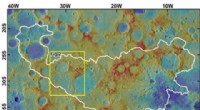
Martian polygons are fascinating geometric features observed in several regions of the Red Planet. These polygonal patterns are typically composed of fractured ground and can range in size from a few meters to several kilometers. Their appearance has intrigued scientists, leading to various hypotheses about their formation.
2. Deep-Sea Polygonal Features:
On Earth's deep-sea floor, polygonal features have also been discovered. These features are commonly associated with gas hydrates, which form when water and natural gas combine under specific conditions of pressure and temperature.
Formation Mechanisms:
1. Martian Polygons:
The formation mechanisms proposed for Martian polygons include:
- Desiccation cracks: As liquid water evaporates in shallow Martian lakes or the ground, it leaves behind cracks that form polygonal patterns.
- Subsurface ice expansion: When water freezes below the Martian surface, it expands, causing the ground to fracture in polygonal shapes.
- Thermal contraction: Thermal expansion and contraction due to temperature changes may also lead to the development of polygonal patterns in the Martian soil.
2. Deep-Sea Polygons:
For polygonal features on Earth's deep-sea floor, the formation is generally linked to the release of methane from gas hydrates. As methane escapes, it forms bubbles that rise and create mounds on the seafloor. These mounds eventually collapse and leave behind polygonal depressions or cracks.
Possible Ancient Oceans:
The presence of polygonal features on Mars and the deep-sea environment on Earth has led some researchers to consider the possibility that these environments could have once hosted water bodies, although the evidence for that is still limited and contested.
1. Martian Polygons:
The presence of certain minerals, such as phyllosilicates, and evidence of past river systems on Mars suggest that liquid water existed on the planet billions of years ago. The question of whether polygonal patterns preserve traces of ancient lakes remains an area of ongoing research.
2. Deep-Sea Polygonal Features:
The formation of polygonal features on Earth's deep-sea floor requires specific conditions, including the presence of gas hydrates and the right pressure-temperature environment. While these features indicate past hydrocarbon activity, the presence of ancient bodies of liquid water in those locations is not necessarily implied.
Overall, Martian polygons and deep-sea polygonal features present interesting geological formations with distinct formation mechanisms. While they can offer insights into past environmental conditions, the potential connection to ancient oceans on Mars remains a topic of ongoing research, and further evidence is needed to draw conclusive connections between these features and past water bodies.