1. Accessibility and Abundance:
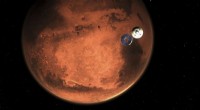
- Mars has a much larger amount of water ice than the Moon (estimated to
be around 1.5% to 2% of its total mass). This difference suggests Mars
may be a more attractive target for water resource utilization.
2. Location and Distribution:
- Water on Mars is distributed across the poles, mid-latitudes, and
underground reservoirs, making it more accessible than water on the
Moon, primarily concentrated at the lunar south pole.
3. Sustainability:
- Water on Mars exists as ice, making it more stable and easier to store
than the extremely cold and volatile water found on the Moon,
4. Scientific Value:
- The water on Mars is believed to have been present since its early history
and potentially harbor ancient microbial life. This adds significant
astrobiological value to Mars water resources.
5. Technological Challenges:
- Extraction and utilization of water on both Mars and the Moon present
technological challenges. However, the presence of water on Mars in
larger quantities and more accessible locations may make it comparatively
less complex to extract and utilize.
Ultimately, the relative importance of water on the moon versus Mars depends on the goals and constraints of specific space missions and exploration strategies. Both have their advantages and challenges, requiring careful consideration and weighing of factors before deciding which resource is more valuable or crucial.