It shouldn't surprise us that countries routinely keep an eye on what other countries are doing. Normally, these surveillance activities go unnoticed by the general public -- by definition, reconnaissance missions are not highly publicized.
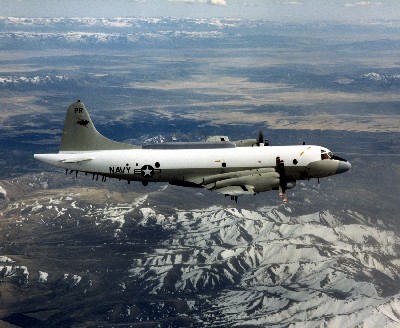
In thisarticle, we will take a look at the highly-sophisticated surveillance plane EP-3E ARIES II (Airborne Reconnaissance Integrated Electronic System II) and see how it collects information.
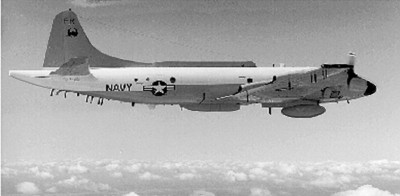
The EP-3E is equipped with some of the most advanced surveillance equipment in the world. Most of the plane’s systems are classified, but there is some information known about the surveillance equipment.
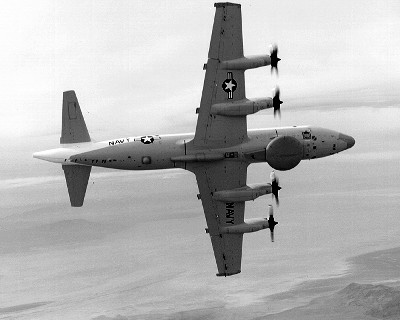
The plane is equipped with sensors, receivers and dish antennas to capture electronic signals. There are two compartments, one on the top and one on the bottom of the plane, that house antennas. The EP-3E is also equipped with an AN/APX-134 radar antenna and a radome, which are located in a specially-modified cargo bay, according to GlobalSecurity.org. The radome is a dome-like shell underneath the plane. It houses the radar antenna and is transparent to radio-frequency radiation.
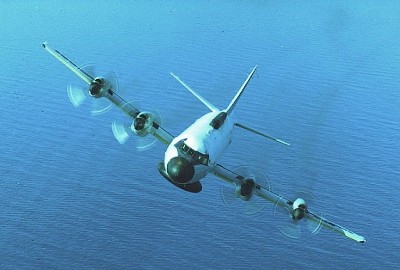
The EP-3E has four Allison T56-A14 turboprop engines, each generating 4,900 shaft horsepower to propel the plane to an average cruising speed of about 345 mph (555 kph). The four propellers, four-bladed Hamilton-Standard 54H60-77s, convert the engine's shaft horsepower into thrust. The plane is built with five fuel tanks, four wing tanks and one auxiliary tank. The auxiliary tank is a bladder-type tank located in the lower fuselage.
The unarmed plane is operated by a 24-person crew, which includes three pilots, one navigator, three tactical evaluators, one flight engineer, equipment operators, technicians and mechanics. The plane has 19 crew stations and a total seating capacity of 24.
For more information on the EP-3E Aries II and related topics, check out the links on the next page.
Related HowStuffWorks Articles More Great Links