Gravity is one of those amazing things -- because it is constant, we take it completely for granted. For example, the fuel system in any normal car or airplane depends on gravity to position and move the fuel in the fuel tank. A high-wing monoplane like the one shown in How Airplanes Work would stall almost immediately if you tried to fly it upside down. Gravity draws the fuel from the fuel tanks (located inside the wings) down to the engine.
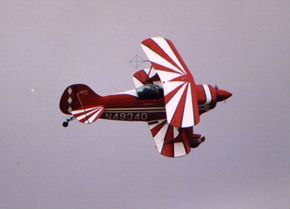
So how does an aerobatic plane that flies upside down and does loops get fuel from the gas tank to the engine? To answer this question, I spoke to Randy Henson, pilot of the aerobatic biplane shown below:
According to Randy, there are two techniques:
"The first is the flop tube design used in my airplane, a Pitts S-1T. The fuel tank is located in the fuselage in front of the pilot's knees, and inside of the tank is a flexible hose with a weight attached to the free end. When the plane is right side up, this hose, or flop tube, 'flops' to the bottom of the tank because of the weight and draws fuel from the bottom of the tank. When the plane is rolled to inverted, the weight causes to hose to flop to the top of the tank (which is really the bottom now) and draw fuel from there. This is really a cool design because it uses only one tank, and you have access to all the fuel in the tank whether you are right side up or inverted. This design is used on all the high-performance aerobatic airplanes with which I am familiar -- these planes all have a fuel tank in the fuselage.These links will help you learn more: