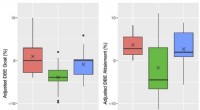
The COVID-19 pandemic created numerous challenges for education systems worldwide, including school closures and disrupted learning. One area of significant impact is the potential learning loss that students may have experienced during the pandemic. In order to track the magnitude and distribution of this learning loss, we can examine data from standardized assessments, such as the Programme for International Student Assessment (PISA), across different countries.
Lockdowns Affected Schooling and Learning Patterns Differently Across Nations
One element that directly influenced the extent of learning loss was the variation in lockdown policies and school closures among countries. Some nations implemented prolonged school closures, while others opted for shorter durations or utilized hybrid learning models. These differences are expected to have diverse effects on learning outcomes. For instance, nations that experienced longer disruptions may show a greater impact on students' learning progress compared to those with more cautious reopening plans.
Variations in Lockdown Policies Shaped Learning Loss
Based on cross-national studies and analyses, researchers have found that lockdowns indeed played a significant role in learning loss. Countries that had longer periods of school closures generally observed greater learning loss. This trend is not exclusive to a particular region; it was observed across different continents, underscoring the global impact of the pandemic on education.
Implications of Learning Loss Variations for Education Policy and Practice
The differences in learning loss between countries highlight the importance of evidence-based education policies during the pandemic. Countries that effectively managed school closures, implemented remote learning strategies, and prioritized educational continuity witnessed lesser learning loss, providing valuable insights for policymakers aiming to mitigate the impact of such crises in the future.
In summary, the variation in learning loss between countries during the pandemic can be attributed to the variation in lockdown policies. The duration of school closures and the effectiveness of remote learning strategies played crucial roles in determining the extent of learning loss. These insights emphasize the need for data-driven decision-making and resilience in education systems to respond effectively to future challenges that disrupt schooling.