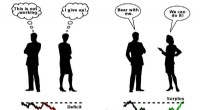
In general, it is generally considered good to help those in need, regardless of their character. This is because helping others is seen as a virtuous and compassionate act. However, there are some cases in which it may be justifiable not to help a bad person. For example, if helping a bad person would put you or others at risk, or if it would enable them to continue committing harmful acts, then it may be better to refrain from helping them.
Ultimately, the decision of whether or not to help a bad person is a personal one. There is no right or wrong answer, and the best decision will vary depending on the specific circumstances of the situation.
Some cases when not helping a bad person may be considered bad:
* If the person is in danger or need and not helping them would cause them harm.
* If the person's actions are harming others and not helping them would allow the harm to continue.
* If the person is engaging in illegal or immoral activities and not helping them would help to stop these activities.
It's important to note that the morality of providing help is also impacted by the intentions behind the act of caring.
Some cases when not helping a bad person may be considered good:
* If helping the person would enable them to continue committing harmful acts.
* If helping the person would put you or others at risk.
* If helping the person would require you to break the law or compromise your values.
In conclusion, there are many factors to consider when deciding whether or not to help a bad person. The question of good and bad depends on the specific circumstances of the situation and the potential consequences of helping or not helping the person.