1. School closures: School closures have had a devastating impact on education globally. However, girls have been particularly affected, as they are more likely to be responsible for household chores and childcare, which can interfere with their ability to study. In some cases, girls may even be forced to drop out of school altogether.
2. Digital divide: The digital divide, or the gap between those who have access to technology and those who do not, has also widened during the pandemic. This divide has made it difficult for girls to access online learning materials and participate in virtual classrooms, further exacerbating their educational disadvantage.
3. Gender-based violence: Gender-based violence has increased during the pandemic, as girls and women have been trapped at home with their abusers. This has made it even more difficult for girls to focus on their education, as they may be living in fear and trauma.
4. Mental health: The pandemic has also taken a toll on the mental health of girls and boys alike. However, girls are more likely to experience anxiety and depression than boys, which can further interfere with their ability to learn.
5. Increased household responsibilities: During the pandemic, many girls have taken on increased household responsibilities, such as caring for younger siblings or elderly relatives. This has left them with less time and energy for their studies.
As a result of these factors, girls are more likely than boys to experience learning loss, drop out of school, and face long-term economic consequences. It is essential that we take action to address the gender divide in education and ensure that all girls have access to the quality education they deserve.
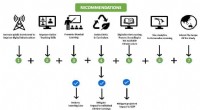
Here are some ways that we can address the gender divide in education during the COVID-19 pandemic:
1. Keep schools open: Schools should remain open whenever possible, even if they need to operate with reduced capacity or on a rotating schedule. Girls are more likely to attend school when it is close to home and when they feel safe and supported.
2. Bridge the digital divide: We need to invest in initiatives that provide girls with access to technology and digital learning materials. This can include providing free or low-cost devices, expanding internet access, and creating online learning platforms that are tailored to the needs of girls.
3. Address gender-based violence: We need to take steps to address gender-based violence, both during the pandemic and beyond. This includes providing support services for survivors, raising awareness of the issue, and working to change social norms that perpetuate violence against women and girls.
4. Invest in mental health support: We need to invest in mental health support for girls and boys alike, as the pandemic has taken a toll on the mental health of young people everywhere. This can include providing access to counseling, therapy, and other mental health services.
5. Reduce household responsibilities: We need to work to reduce the household responsibilities that girls take on, so that they have more time and energy for their studies. This can include involving boys and men in household chores and childcare, and providing support services for families that are struggling to cope.
By addressing the gender divide in education during the COVID-19 pandemic, we can help to ensure that all girls have the opportunity to succeed.