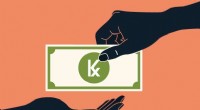
- Economic inequality: The gap between rich and poor has grown wider in many parts of the world, leading to social unrest and political instability. This inequality can make it difficult for poorer people to participate in the political process and have their voices heard.
- Authoritarianism and populism: In recent years, there has been a rise in authoritarian and populist leaders who have challenged the principles of democracy. These leaders often use nationalist and anti-immigrant rhetoric to appeal to voters' fears and insecurities, and they may also use their power to suppress dissent and consolidate their own control.
- Fake news and disinformation: The spread of fake news and disinformation has made it more difficult for people to make informed decisions about political issues. This can undermine public trust in the political process and lead to polarization and conflict.
- Threats to human rights and the rule of law: In some parts of the world, human rights are under threat, and the rule of law is being eroded. This can make it difficult for people to participate in the political process and hold their leaders accountable.
- Climate change: Climate change is a major threat to global democracy, as it can lead to conflict and displacement, and it can also exacerbate other challenges, such as economic inequality and authoritarianism.
If these challenges are not addressed, they could lead to a decline in democracy around the world, and a rise in authoritarianism and populism. This could have a devastating impact on human rights, economic development, and peace and security.