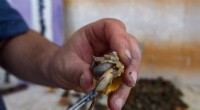
Asian carp are an invasive species that have caused significant ecological and economic damage in the United States. They are voracious eaters that compete with native fish for food and habitat, and they can also transmit diseases to other fish. Their rapid reproduction rate and adaptability to a wide range of environments have made them difficult to control.
While some people enjoy eating Asian carp, the demand for them is limited, and it's not enough to significantly reduce their population. In addition, Asian carp often contain high levels of mercury and other contaminants, making them potentially harmful to human health if consumed in large quantities.
To effectively address the Asian carp problem, a combination of approaches is needed, including:
- Prevention: Preventing the spread of Asian carp to new waterways is crucial. This can be done through measures such as installing barriers at water bodies, inspecting boats and fishing gear, and educating the public about the importance of not releasing live Asian carp into the wild.
- Habitat modification: Modifying the habitat of Asian carp can make it less hospitable for them, reducing their ability to reproduce and survive. This can involve altering water flow, removing vegetation, and creating barriers that prevent them from accessing certain areas.
- Population control: Methods such as fishing, trapping, and culling can be used to reduce the population of Asian carp. Targeted removal of adult carp can help prevent them from reproducing and spreading.
- Biological control: Introducing predators that feed on Asian carp, such as certain species of fish or birds, can help control their population.
- Research: Ongoing research is essential to better understand the biology, behavior, and ecological impacts of Asian carp, and to develop new and innovative methods for managing their population.
By implementing a combination of these approaches, we can work towards mitigating the negative effects of Asian carp and restoring the balance of our aquatic ecosystems.