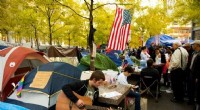
In several cases, courts have found that bans on homeless camps violate the Eighth Amendment's prohibition on cruel and unusual punishment. In 2019, for example, the Ninth Circuit Court of Appeals ruled that a city's ban on sleeping in public violated the Eighth Amendment because it "punished homeless individuals for being homeless." The court found that the city had not provided adequate shelter for homeless individuals, and that the ban therefore imposed a "substantial risk of serious harm" on homeless people.
Other courts have found that bans on homeless camps violate the Due Process Clause of the Fourteenth Amendment. In 2018, for example, the District of Columbia Court of Appeals ruled that a city's ban on camping on public property violated the Due Process Clause because it was "not narrowly tailored to serve a legitimate government interest." The court found that the city had not shown that the ban was necessary to prevent crime or protect public safety.
The Supreme Court has not yet ruled on the constitutionality of bans on homeless camps, but it is possible that the Court could consider such a case in the future. If the Supreme Court does rule on this issue, it will likely look to the precedents set by the lower courts. If the Supreme Court follows the reasoning of these cases, it may find that bans on homeless camps are unconstitutional.
In addition to the Eighth Amendment and the Due Process Clause, bans on homeless camps may also violate other constitutional rights, such as the right to free speech and the right to privacy. For these reasons, it is important for cities to carefully consider the constitutionality of any bans on homeless camps before implementing them.