People are interconnected, resulting in intricate social networks that impact various aspects of our lives. Researchers, using cutting-edge analytical techniques and financial data, are unveiling the complex ways individuals and organizations connect through money flow. Let's explore how researchers utilize financial transactions to map and analyze social networks:
1. Transaction Network Analysis (TNA):
TNA is a method that studies patterns in financial transactions to understand the structure and dynamics of social networks. By analyzing the flow of money between individuals, companies, and institutions, researchers can identify key players, influential actors, and hidden connections within a network.
2. Social Network Mapping:
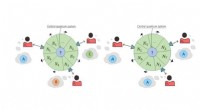
Financial transactions create a web of interactions that can be visualized as a network graph. This mapping process involves grouping individuals and organizations based on their financial connections and highlighting the strength of their ties. Researchers analyze these graphs to identify clusters, communities, and bridges that shape the social network.
3. Identifying Influence and Power:
Financial transactions can reveal power dynamics within a social network. Researchers can trace the flow of money to determine who has the most influence or control. By analyzing the frequency, size, and direction of transactions, they identify influential individuals, organizations, or key brokers who play a central role in the network.
4. Community Detection:
Financial transactions can reflect shared interests, values, or goals among individuals or organizations. Researchers utilize community detection algorithms to group individuals based on their financial interactions. These communities represent like-minded or interconnected groups within the larger social network.
5. Cross-Border Connections:
Financial transactions can span across borders, linking individuals and organizations globally. Researchers analyze international money flows to identify transnational connections, trade partnerships, and global supply chains. This information helps understand the intricacies of international economies and interconnectedness.
6. Money Laundering and Illicit Activities:
Financial transaction data can also help identify suspicious patterns indicative of money laundering, fraud, or terrorist financing. By analyzing large datasets, researchers assist law enforcement agencies in detecting anomalous transactions and uncovering hidden networks associated with illicit activities.
7. Behavior and Decision-Making:
Financial transaction data offers insights into individuals' and organizations' financial behaviors and decision-making processes. Researchers examine spending patterns, investment choices, and risk-taking tendencies to understand how financial decisions shape social interactions and dynamics.
8. Economic Inequality:
Financial transaction analysis can shed light on income inequality, wealth distribution, and financial exclusion within a social network or society. Researchers study how money flow patterns perpetuate disparities and influence economic opportunities for different individuals and groups.
By following the money, researchers gain a deeper understanding of the complex ways individuals, businesses, and institutions interact. This knowledge has implications for sociology, economics, finance, and policymaking, enabling us to address societal issues, improve financial systems, and foster more inclusive and sustainable societies.