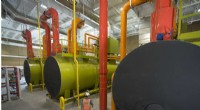
1. Air Quality: Underground transit systems often have well-developed ventilation and air filtration systems, which help maintain air quality within stations and trains. However, in older or poorly maintained systems, there could be higher levels of pollutants, especially during peak hours.
2. Particulate Matter: Underground transit can have higher levels of particulate matter (PM), especially PM10 and PM2.5, which are small particles of dust, smoke, and other pollutants. Exposure to PM can have adverse effects on respiratory and cardiovascular health. However, newer trains and stations often have improved ventilation and air filtration systems to reduce PM levels.
3. Diesel Exhaust: In some cities where underground transit systems rely on diesel-powered trains, exposure to diesel exhaust can be a concern. Diesel exhaust contains harmful pollutants, including nitrogen oxides and particulate matter, which have been linked to various health issues.
4. Comfort and Crowding: Underground transit can be crowded during rush hours, leading to discomfort and potentially increased risk of exposure to respiratory infections or other communicable diseases.
5. Psychological Effects: Some people may experience feelings of anxiety, claustrophobia, or discomfort when traveling underground. However, these experiences vary from person to person.
In general, the health effects of underground transit should be considered within the context of an individual's overall lifestyle and exposure to other environmental factors. While it's essential to maintain adequate air quality and ventilation in underground transit systems, these benefits must be balanced against the convenience, accessibility, and environmental sustainability of public transportation.
It's also worth noting that living in urban environments generally exposes individuals to various air pollutants from multiple sources, including traffic, industrial activities, and construction sites. Therefore, it is crucial to adopt measures to reduce air pollution and promote healthier air quality in urban areas, regardless of the primary mode of transportation.