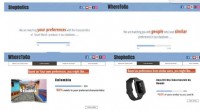
1. News Feed Algorithm: Facebook's News Feed algorithm has evolved to prioritize content that is relevant and interesting to users. Initially, the News Feed was primarily chronological, but over time, Facebook introduced algorithms that take into account factors such as user interactions, post popularity, and relationship with the poster to determine the order of posts.
2. Increased Visual Content: Facebook has shifted towards a more visual experience, with a greater emphasis on images, videos, and live broadcasts. This change reflects the growing popularity of visual content and the way people consume information online.
3. Interactive Features: Facebook has introduced various interactive features over the years, including "Like," "Comment," and "Share" buttons, as well as reactions such as "Love," "Haha," and "Wow." These features enable users to express their reactions and emotions to posts, enhancing engagement and interaction on the platform.
4. Stories: In 2017, Facebook introduced "Stories," a feature that allows users to share photos and videos that disappear after 24 hours. This format, inspired by Snapchat, gained immense popularity and has become a central aspect of the Facebook experience, especially among younger users.
5. Groups and Communities: Facebook has prioritized the creation and growth of groups and communities, enabling users to connect with others who share similar interests, hobbies, or causes. Groups have become vital for building online communities and fostering meaningful discussions and interactions.
6. Messenger and WhatsApp Integration: Facebook integrated its messaging platforms, Messenger and WhatsApp, into the Facebook ecosystem, allowing users to seamlessly communicate with friends and contacts across different platforms. This integration aimed to enhance the overall messaging experience and provide users with a unified communication tool.
7. Privacy Controls: Facebook has introduced various privacy controls over the years, giving users more control over their personal information and the visibility of their posts. These controls include the ability to choose who can see their posts, manage friend lists, and customize privacy settings for individual posts.
8. Live Video: Facebook introduced live video streaming, enabling users to broadcast live events, moments, or experiences in real-time. Live videos have become a powerful tool for connecting with audiences, promoting events, and sharing authentic content.
9. Instant Articles: Facebook launched Instant Articles, a feature that allows publishers to create and publish articles directly within the Facebook platform, providing a faster and more immersive reading experience for users without the need to leave the app.
10. Marketplace: Facebook introduced Marketplace, a dedicated section for buying and selling items among users. This feature allows individuals to list items for sale, browse available items, and negotiate and complete transactions within the Facebook platform.
These changes have shaped the way users interact with Facebook, creating a more engaging, visual, and interactive experience while empowering users with greater control over their privacy and content preferences.