Hiding, Not Helping:
One of the main issues with ban the box policies is that they do not address the underlying causes of high incarceration rates among minority communities. By failing to confront the systemic issues, including poverty, lack of opportunity, and racial bias in the criminal justice system, ban the box policies simply hide the disparities rather than solve them.
Heightened Discrimination:
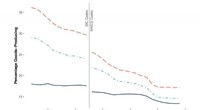
Research indicates that ban the box policies can lead to increased discrimination against minority job-seekers through alternative methods. Employers might resort to more subjective hiring practices, such as relying heavily on interviews, where biases can creep in. This can make it harder for minority candidates to get a fair shot at employment.
Limited Job Opportunities:
Another unintended consequence of ban the box policies is that they can reduce job opportunities for minority job-seekers. Employers might be less likely to post job openings if they are concerned about potential legal liabilities arising from hiring individuals with criminal records. This can narrow the already limited job prospects for minority individuals who disproportionately face discrimination and higher unemployment rates.
Incomplete Reform:
Some argue that ban the box policies are only one piece of a larger puzzle and should be accompanied by broader criminal justice reforms. Critics suggest that without addressing factors such as expungement policies and re-entry programs, simply removing the checkbox is insufficient to tackle the systemic challenges faced by minority job-seekers.
Employer Concerns:
Employers often raise concerns about safety, liability, and maintaining a positive work environment. They argue that having access to criminal history information helps them make informed hiring decisions to protect their employees and customers. This perspective highlights the complex balance between inclusivity and employer concerns.
In summary, while the ban the box movement aims to promote fairness and reduce discrimination, it has been found to have unintended consequences for minority job-seekers. It can lead to heightened discrimination, limited job opportunities, and perpetuates the underlying systemic issues. Addressing the root causes of high incarceration rates and systemic bias is crucial for achieving genuine equality and ensuring that all individuals, regardless of their background, have access to fair employment opportunities.