This will give you a general idea of the story and help you decide if you want to read further.
Step 2: Look for the publication date.
This will help you determine if the article is current or if it is reporting on an older event.
Step 3: Identify the author.
This will give you some idea of the author's perspective and bias.
Step 4: Look for sources.
Reputable articles will cite their sources, so that you can verify the information for yourself.
Step 5: Be aware of your own biases.
We all have biases, and it's important to be aware of them so that they don't cloud our judgment.
Step 6: Read the article critically.
Don't just accept the information at face value. Question the author's claims and look for evidence to support them.
Step 7: Talk to others about the article.
Discuss the article with friends, family, or colleagues to get different perspectives on the story.
Step 8: Make up your own mind.
After considering all of the information, you can decide for yourself what you believe.
Here are some tips for finding facts in the news:
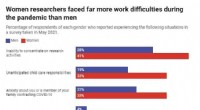
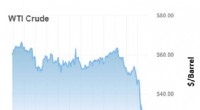
* Look for statistics. Statistics can provide concrete evidence to support a claim.
* Read the fine print. The details of a story can be found in the fine print, so be sure to read the entire article.
* Check the sources. Make sure that the article cites its sources so that you can verify the information for yourself.
* Be skeptical. Don't just accept everything you read at face value. Question the author's claims and look for evidence to support them.
By following these steps, you can become a more informed news consumer and make better decisions about what you believe.