Gender Stereotypes and Bias: Gender stereotypes and biases persist in society and politics, shaping perceptions of what constitutes a "good" or "capable" leader. Traditional views often portray men as more competent and decisive in leadership roles, while women may face preconceived notions about their abilities. These stereotypes can influence voters' perceptions and impact women candidates' chances of being elected.
Lack of Role Models and Networks: Women are less likely to have had the same opportunities as men to build political networks and mentorships. The underrepresentation of women in senior political positions means they have fewer role models and allies to inspire and guide them. This can make it more challenging for women to break through the barriers and build successful political careers.
Hostile Political Environments: Politics can often be a hostile and unwelcoming environment for women. Female politicians frequently encounter sexism, harassment, and personal attacks, both from within their parties and from the public. This hostile environment can discourage women from pursuing political careers or lead them to leave politics altogether.
Sexist Media Coverage: The media often reinforces gender biases and stereotypes in its reporting on female politicians. Women candidates are more likely to be evaluated on their appearance and personal traits rather than their political qualifications or policies. This unequal treatment can undermine their credibility and make it harder for them to connect with voters.
Family Responsibilities and Work-Life Balance: Many women face challenges in balancing their family responsibilities with the demands of a political career. The lack of flexible working arrangements and accommodations in politics can hinder their ability to participate fully and progress in their careers.
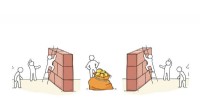
Structural Barriers: Certain institutional and electoral systems may also discourage women's participation in politics. For instance, first-past-the-post electoral systems can favor well-established parties with strong local networks, which can make it difficult for independent women candidates to break through.
These are just some of the interconnected challenges that contribute to the underrepresentation of women in politics and make it difficult for them to become Members of Parliament. To address these issues and achieve gender equality in politics, it is crucial to raise awareness, challenge biases and stereotypes, implement supportive measures and reforms, and encourage more women to participate actively in political life.