Key Findings of the Study:
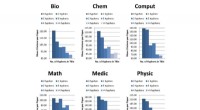
Gendered Pronoun Usage: The study examined the usage of gendered pronouns ("he," "she") in relation to the terms "person" and "people." The analysis revealed that "he" was used significantly more often than "she" when referring to a generic person, indicating a male-oriented perspective.
Semantic Associations: The researchers used computational techniques to analyze the semantic associations of "person" and "people." The results showed that these terms were more frequently associated with male-dominated fields, occupations, and characteristics.
Gendered Representation: Across different genres and domains, the study found that men were more likely to be portrayed as leaders, experts, and individuals with agency, while women were often depicted in supporting roles or associated with domestic activities.
Variation in Bias: The extent of gender bias varied across different sources, with news articles exhibiting a stronger male bias compared to scientific papers and social media posts.
Challenges and Implications:
The study highlights the challenges in achieving true gender neutrality in language and the potential consequences of linguistic biases. The findings have implications for various fields, including gender studies, linguistics, artificial intelligence, and media representation.
Need for Inclusive Language: The results emphasize the importance of using inclusive language that avoids perpetuating gender stereotypes and biases.
Implications for AI and NLP: The study also raises concerns about the potential impact of gender bias in natural language processing (NLP) systems and artificial intelligence (AI) applications that rely on large datasets.
Encouraging Gender-Neutral Practices: The research encourages individuals and institutions to consciously adopt gender-neutral language practices and challenge traditional gender norms in communication.
By acknowledging and addressing the male tilt identified in the study, there is an opportunity to promote more equitable and inclusive representation of individuals and groups in various contexts, from media and literature to scientific discourse and AI-driven systems.