1. Structural Adaptations:
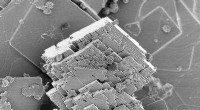
Mantis shrimp have a robust exoskeleton composed of chitin and calcium carbonate, providing them with exceptional structural strength and protection. Their bodies feature multiple layers of this durable armor, acting as a natural shield against incoming strikes.
2. Damping Mechanisms:
Within their exoskeletons, mantis shrimp have specialized structures that function as shock absorbers. These structures effectively dissipate the energy generated by high-impact collisions, minimizing the damage to their delicate internal organs.
3. Rapid Limb Movements:
Mantis shrimp possess remarkable agility, allowing them to respond quickly to incoming attacks. Their lightning-fast limb movements enable them to block or deflect strikes before significant damage can occur.
4. Adaptive Reflexes:
These extraordinary creatures have evolved highly developed reflexes honed over millions of years of evolution. Their nervous systems process sensory information at incredible speeds, enabling them to anticipate and react to attacks with precision timing.
5. Strategic Positioning:
Mantis shrimp often adopt strategic positioning during encounters, placing their hardened exoskeletons facing the direction from which attacks are most likely to come. This positioning further reduces the risk of injury.
6. Behavioral Responses:
In addition to their physical adaptations, mantis shrimp display intelligent behavioral responses to threats. They may retreat, hide, or even perform deceptive maneuvers to avoid confrontations and minimize the risk of injury.
The combination of these structural, physiological, and behavioral traits allows mantis shrimp to endure the punishing strikes they encounter in their competitive underwater world. Their defensive capabilities showcase nature's ingenuity in adapting to diverse and challenging environments. Understanding these mechanisms not only provides insights into the fascinating biology of mantis shrimp but also offers potential inspiration for advancements in protective technologies and materials engineering.