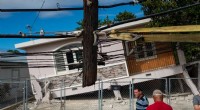
Managed retreat is the strategic relocation of people and assets from areas at high risk of flooding, wildfires, or other natural disasters. It is a difficult and expensive process, but it can be the best way to protect people's lives and property.
There are many challenges associated with managed retreat. One of the biggest is deciding who moves and who pays.
Who moves?
The first step in managed retreat is identifying the areas that are at high risk of flooding or other natural disasters. Once these areas have been identified, the people who live in them must be notified and given the opportunity to relocate.
In some cases, people may be willing to relocate voluntarily. In other cases, they may need to be forced to move. This can be a difficult decision, but it is important to weigh the risks of staying in a high-risk area against the costs and challenges of relocating.
Who pays?
The cost of managed retreat can be significant. The government may need to provide financial assistance to help people relocate, and it may also need to invest in infrastructure improvements to make new areas safe for development.
In some cases, the cost of managed retreat may be too high, and it may be necessary to accept that some areas will simply have to be abandoned.
Lessons from the past
There are many lessons that can be learned from past managed retreat efforts. One of the most important is that it is essential to start the process early. The sooner that people are notified about the risks of staying in a high-risk area, the more time they will have to prepare for the move.
Another important lesson is that it is important to provide people with financial assistance. Without financial assistance, many people will not be able to afford to relocate, and they will be forced to stay in high-risk areas.
Finally, it is important to remember that managed retreat is a difficult and emotional process. It is important to be patient and understanding with people who are going through the process.
Conclusion
Managed retreat is a difficult and expensive process, but it can be the best way to protect people's lives and property. There are many challenges associated with managed retreat, but there are also many lessons that can be learned from the past. By learning from the past, we can make managed retreat a more effective and humane process.