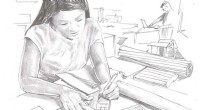
To make a death mask, the face of the deceased is first covered in a layer of plaster or wax. Once this layer has hardened, it is removed and a cast is made. The cast is then used to create the final death mask, which can be made from a variety of materials, such as plaster, bronze, or porcelain.
Death masks have been around for centuries and were once very common. However, they began to decline in popularity in the late 19th century, as photography became more widespread. Today, death masks are still occasionally made, but they are no longer as common as they once were.
There are a number of reasons why death masks were once so popular. One reason is that they were seen as a way to preserve the memory of the deceased. Another reason is that they were often used to create portraits of the deceased, which were then displayed in the home.
Death masks can be a beautiful and haunting reminder of the deceased. They can also be a powerful way to learn about the history of our ancestors and the cultures that they lived in.
Here are some steps on how to make a death mask:
Start by gathering the following materials:
* Plaster of Paris
* Water
* A mixing bowl
* A spatula
* A brush
* A cloth
Instructions:
1. Prepare the face of the deceased by cleaning it thoroughly with soap and water.
2. Apply a thin layer of Vaseline to the face to prevent the plaster from sticking.
3. Mix the plaster of Paris according to the package directions.
4. Using the spatula, apply the plaster to the face, starting with the forehead and working down. Be sure to cover the entire face, including the ears and the nose.
5. Allow the plaster to set for 15-20 minutes.
6. Once the plaster has set, carefully remove it from the face and place it on a flat surface.
7. Allow the plaster to dry completely before using it to make a mold.
Death masks can be used to create portraits, sculptures, and other works of art. They can also be used for identification purposes and for research.