1. Partisan Gridlock: Distrust can lead to intensified political polarization and partisan gridlock, as individuals and groups become entrenched in their positions and unwilling to compromise or find common ground. This can make it challenging to address pressing societal issues that require collective action.
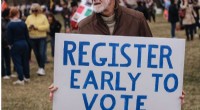
2. Decline in Civic Engagement: When citizens lose trust in government and political institutions, they may become less likely to participate in civic activities, such as voting, running for office, or engaging in community organizations. This can further erode democratic processes and limit the representation of diverse perspectives.
3. Erosion of Social Cohesion: Distrust between individuals and groups can weaken the social fabric of society. When people no longer trust each other or the systems in place, it can lead to increased social isolation, fragmented communities, and heightened social tensions.
4. Increased Vulnerability to Misinformation: Distrust in traditional sources of information, such as the media and experts, can make individuals more susceptible to misinformation and conspiracy theories. This can hinder rational decision-making and further exacerbate divisions within society.
5. Difficulty in Addressing Complex Challenges: Many complex societal challenges, such as climate change, require collective efforts and cooperation. Distrust can make it difficult to build consensus and mobilize resources to effectively tackle these issues.
However, it's important to note that distrust can also have some positive effects:
1. Catalysts for Change: Distrust can inspire individuals and groups to challenge the status quo and demand reforms or improvements in institutions. It can serve as a driving force for social movements and progressive change.
2. Checks and Balances: Distrust can prevent institutions and individuals from becoming too powerful and unchecked. A skeptical public can play a crucial role in holding those in power accountable and preventing abuses of authority.
3. Promotes Critical Thinking: Distrust can encourage individuals to critically evaluate information and make informed decisions rather than blindly following authority figures or institutions. This can foster a more discerning and independent citizenry.
4. Strengthens Grassroots Movements: Distrust in established institutions can lead to the emergence of grassroots movements and alternative forms of organizing that focus on local solutions and citizen empowerment.
In conclusion, while distrust can have detrimental effects on society, it can also spark positive change and promote critical thinking. It's essential to address the underlying factors driving distrust while also recognizing the potential for distrust to serve as a catalyst for progress and democratic accountability.