These specialized search and rescue teams operate under various agencies, including coast guards, fire departments, and non-profit organizations dedicated to water rescue. They are composed of highly trained divers equipped with advanced underwater search and rescue equipment and techniques.
1. Divers and Equipment:
- Divers: The teams consist of experienced divers who have undergone rigorous training in underwater search and rescue operations. They are proficient in using specialized diving gear, including wetsuits, dry suits, and rebreathers, which allow them to stay submerged for extended periods.
- Underwater Equipment: The teams are equipped with state-of-the-art underwater equipment such as sonar, underwater cameras, and remotely operated vehicles (ROVs). These tools help them locate missing individuals and obstacles in murky and deep waters.
2. Training and Expertise:
- Training: Specialist search and rescue divers undergo comprehensive training in underwater navigation, search patterns, victim retrieval, and emergency procedures. They learn to operate in varying underwater conditions, including low visibility, strong currents, and depths of up to several hundred feet.
- Expertise: These divers possess a deep understanding of marine environments, diving physiology, and human behavior underwater. They are skilled in conducting systematic underwater searches, assessing the risks of entrapment, and planning safe and efficient rescue operations.
3. Search Techniques:
- Grid Search: Divers employ grid search patterns, covering designated areas systematically to locate missing individuals. They use navigation tools and underwater mapping to ensure thorough coverage.
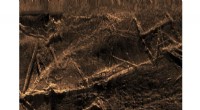
- Sonar and Imaging: Advanced sonar systems and underwater cameras are used to scan large underwater areas, detect objects, and identify potential victims.
- ROV Deployment: Remotely operated vehicles equipped with cameras and sensors are deployed to explore hard-to-reach areas and provide real-time visual information to the rescue teams.
4. Rescue Procedures:
- Victim Retrieval: Once a missing person is located, the divers carefully assess their condition and initiate rescue procedures. They use specialized equipment to safely bring the individual to the surface.
- Medical Care: If the victim is unresponsive, the divers may perform CPR and administer first aid until medical personnel arrive.
- Decompression: If the rescue involves ascending from deep depths, the divers follow strict decompression procedures to prevent decompression sickness (DCS).
5. Safety Precautions:
- Risk Assessment: Before any operation, the teams conduct thorough risk assessments, considering factors such as weather conditions, water temperature, visibility, and potential hazards in the underwater environment.
- Communication: Divers use underwater communication devices to stay in touch with each other and relay information to surface support teams.
- Emergency Plans: The teams have contingency plans in place to handle emergencies, such as equipment failures, diver distress, and loss of communication.
The dedication, expertise, and bravery of specialist search and rescue teams are vital to saving lives in yacht disasters and other water emergencies. Their ability to operate in challenging underwater conditions, locate missing individuals, and safely bring them to the surface is nothing short of heroic, and they deserve our utmost admiration and gratitude.