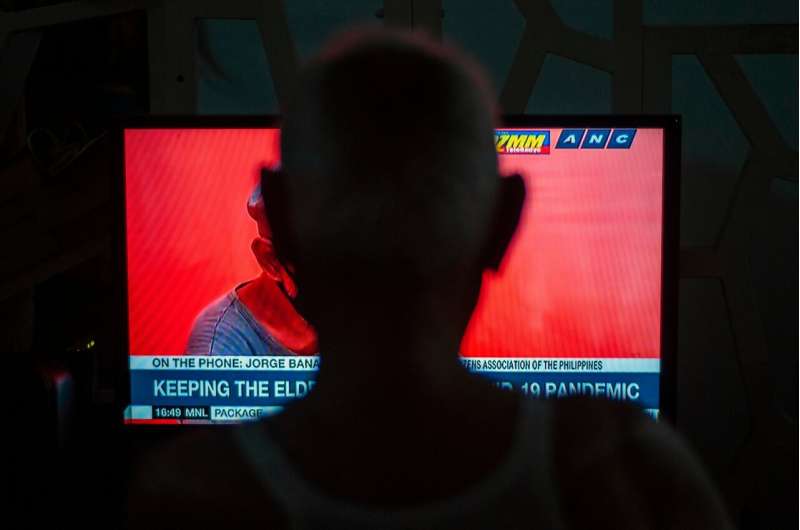
Two new studies published in Preventive Medicine Reports and BMC Public Health led by corresponding author Jessica H. Beard, MD, MPH, FACS, of Temple University, more closely examine how reports of community firearm violence are framed on local television news in Philadelphia and the downstream effects of that coverage on the general public's perception of the issue.
In Preventive Medicine Reports, Dr. Beard and the research team set out to better identify the systematic differences between the characteristics of victims of community firearm violence and the events covered on local television news compared with all shootings in the city of Philadelphia.
The team compiled a sample of news clips covering shootings in Philadelphia from all four local television stations on two randomly selected days per month from January to June 2021 for a total of 154 clips. These clips were then coded to determine demographic and geographic information and were matched with corresponding shootings in the Philadelphia Police Department database.
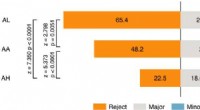
The team compared the characteristics of victims and event locations presented in local television news clips with the overall characteristics of shootings in Philadelphia during that time period and found:
In BMC Public Health, Dr. Beard and the research team approached the depiction of community firearm violence on local television news in Philadelphia from a broader lens and sought to identify and measure both public health elements and harmful content elements in reporting.
Public health elements include data/trends, discussion of root causes and solutions, and public health narrators and visuals.
Harmful content elements were identified by firearm-injured people in a previous study by the research team as:
The team once again compiled a sample of news clips covering shootings from all four local Philadelphia television stations—this time of Philadelphia-area and national incidents—on two randomly selected days per month from January-June 2021 for a total of 192 clips. Of those:
"Our findings in Preventive Medicine Reports reveal that segments about community firearm violence on local television news are neither demographically nor geographically representative of both who—and where—is most disproportionally impacted in Philadelphia," said Dr. Beard.
"Beyond that, our BMC Public Health study demonstrates that these segments also frequently contain harmful elements and lack the context necessary for a deeper understanding of the issue."
"These news stories may be the only window into community firearm violence that the general public has, and they often are not getting a complete picture, but instead, one that research has indicated can lead audiences to blame victims, reinforce racist stereotypes, and undermine effective public health responses."
"Strides are being made in journalism to rectify these concerns," Dr. Beard added. "In the past, guidelines were developed in cases of suicide, mass shootings, sexual assault, abuse, and crime involving minors, and newsroom practices were revised. Fortunately, new guidelines are being developed for reporting on community firearm violence."
"PCGVR, for instance, has developed a toolkit in collaboration with Frameworks for minimizing harmful reporting on community firearm violence, and our research will help build a foundation for further efforts in the future."
More information: Jessica H. Beard et al, Systematic disparities in reporting on community firearm violence on local television news in Philadelphia, PA, USA, Preventive Medicine Reports (2024). DOI: 10.1016/j.pmedr.2024.102739
Jessica H. Beard et al, Public health framing of firearm violence on local television news in Philadelphia, PA, USA: a quantitative content analysis, BMC Public Health (2024). DOI: 10.1186/s12889-024-18718-0
Journal information: BMC Public Health
Provided by Temple University