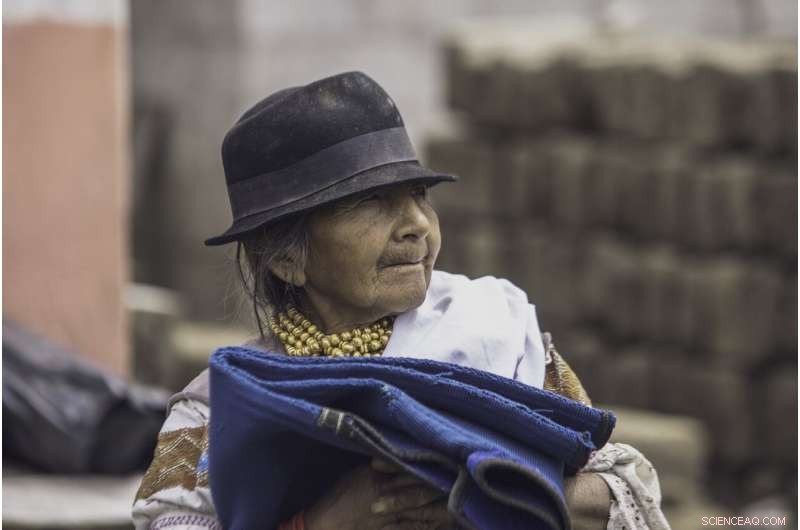
Credit: Pixabay/CC0 Public Domain
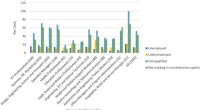
The Healing Foundation's report outlines how the measures aimed at protecting Stolen Generations survivors instead had a devastating negative effect on their physical and mental health and wellbeing. This research presents input from 60 Aboriginal and/or Torres Strait Islanders and Stolen Generations survivors. The report provides data showing significant effects on survivors and their loved ones, including a heightened sense of vulnerability and increased disconnection from family, community, and Country. The report also found that 20% of Stolen Generation survivor respondents said they had no support during COVID-19, while only 58% reported having some support. While it can be argued Australia's response to the pandemic was largely successful when compared to other parts of the world, there are key lessons to be learned to prepare for future pandemics, especially for those most vulnerable in the community. How restrictions impacted communities The Healing Foundation is a national Aboriginal and Torres Strait Islander organization that partners with communities to heal the trauma caused by the widespread and deliberate disruption of peoples, cultures, and languages over 230 years. This includes specific actions like the forced removal of children from their families. Work done by the Aboriginal and Torres Strait Islander Advisory Group on COVID-19 ensured that infection rates were very low in First Nations populations. Only minor outbreaks in Aboriginal communities were recorded in Australia, and they were quickly contained. But the COVID-19 restrictions disrupted many cultural, relational, and collective practices of Aboriginal and Torres Strait Islander peoples, which included collective healing activities. Physical distancing put a hold on celebrations and ceremonies, including important and traditional family and cultural occasions like births and funerals. Lockdowns meant survivors were disconnected from family for Sorry Business and attending community gatherings like NAIDOC Week. Events such as the Apology anniversary were canceled, keeping people away from marking important cultural dates. Increased isolation and loneliness The devastating combination of isolation, loneliness, distance from family, and tight public health directions brought difficult memories back for some survivors of the Stolen Generations, retriggering their trauma. Survivors highlighted the following findings across the 23 social and emotional wellbeing indicators that were surveyed: How governments can do better This research undertaken by the Marumali Program on behalf of The Healing Foundation should assist governments and the broader public health sector to plan for future pandemics and build on Australia's world-leading response. It has also raised some important questions, such as how can we use technology and social media to not only communicate important public health messages but also feelings of isolation? Or how can Stolen Generations survivors use technology to connect with family, community, culture, and Country? Technology is just one area for consideration. But what happens when future restrictions have a negative impact on a survivor's healing journey? And what strategies or policies can help to support such unavoidable effects? Researchers Shaan Peeters and Dr. John Prince hope the study will lead governments to undertake further analysis to assess the needs, risks, and vulnerabilities of Stolen Generations survivors and their descendants into the future. Stolen Generations survivors have long told us what they need to heal. Now, we need to understand what they require as Australia emerges from the pandemic and finds its way to a new normal.
This article is republished from The Conversation under a Creative Commons license. Read the original article.