A new study from researchers at Brock University and the University of Toronto has found Canada's brain drain in the technology and innovation sector exceeds levels previously identified as detrimental to the growth of an economy.
The study, "Reversing the Brain Drain: Where is Canadian STEM Talent Going?" examined the reasons why so many graduates in science, technology, engineering and mathematics opt to leave Canada after their post-secondary education to seek work in other countries and asked what can be done to retain talent here in Canada. The study looked at students in select programs at the the University of Waterloo, University of Toronto and University of British Columbia.
The research was led by Zachary Spicer, Senior Associate in the Innovation Policy Lab at the University of Toronto's Munk School of Global Affairs. The project was supervised by Nicole Goodman, Assistant Professor of Political Science at Brock University, and supported by Brock master's student Nathan Olmstead.
The team's research unveiled some alarming trends:
"Despite the brain drain plaguing Canada's tech sector, our study uncovered that it's not all doom and gloom, and that the time is ripe for new and returning talent to make their mark with Canadian companies," Spicer said. "In fact, there is a consensus among those interviewed for this study to return to Canada at some point in their careers."
Using a sample of 3,162 graduates with LinkedIn profiles from the University of Waterloo, University of British Columbia and the University of Toronto, researchers examined the programs they studied and the jobs they took post-graduation, including the location of these jobs. Further, 35 interviews were completed with individuals within this LinkedIn database to better understand, among other things, their motivations for seeking work in the U.S., the recruitment process post-graduation, their impression of leading Canadian firms in their sector, and what can be done to persuade them to work in Canada in the future.
Delvinia, an innovative data collection firm headquartered in Toronto, funded the study combined with the support of a Mitacs grant. For Delvinia CEO Adam Froman, the decision to sponsor the study emerged from a discussion with fellow Canadian scale-up CEOs being held back due to the talent shortage.
"Canada is a hotbed of tech talent, producing some of the best in the industry globally. But it's a problem when graduates from STEM programs aren't even aware of the great job opportunities that exist right here in Canada, with innovative Canadian-owned companies," Froman said.
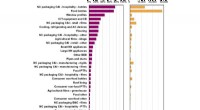
The study revealed of those graduates who actually chose to remain in Canada, many found employment with American-headquartered companies. In fact, only two of the Top 10 employers for those with tech-based degrees who chose to remain in Canada are Canadian-owned—Scotiabank and Shopify.
Delvinia and the research team are making several recommendations to retain Canadian STEM talent and encourage them to work for Canadian-owned companies: