1. Building Blocks and Synthesis:
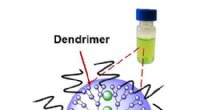
* Atoms and Molecules: Nanotechnology deals with structures at the nanoscale (1-100 nanometers), which is the realm of atoms and molecules. Understanding the behavior of these building blocks, their interactions, and the forces that bind them is crucial for designing and creating nanomaterials.
* Chemical Synthesis: Chemistry provides the tools and techniques for synthesizing nanomaterials. This involves carefully controlling reactions at the molecular level to create structures with specific properties. Examples include:
* Chemical Vapor Deposition (CVD): Used to deposit thin films of nanomaterials onto surfaces.
* Sol-Gel Synthesis: A versatile process for creating nanoparticles and gels.
* Self-Assembly: Using the intrinsic properties of molecules to spontaneously form complex nanostructures.
2. Properties and Functionality:
* Material Properties: Chemistry helps understand how the size and shape of nanomaterials impact their physical and chemical properties. This includes:
* Surface Area: Nanomaterials have a vastly increased surface area compared to bulk materials, leading to enhanced reactivity and catalytic activity.
* Optical Properties: Nanoparticles can exhibit unique optical properties (e.g., color, fluorescence) due to quantum effects at the nanoscale.
* Electrical and Magnetic Properties: Nanomaterials can exhibit different electrical conductivity and magnetic behavior compared to their bulk counterparts.
* Functionalization: Chemical modification of nanomaterial surfaces can tailor their properties and functionality for specific applications. This involves attaching molecules (functional groups) to create targeted interactions or enhance desired properties.
3. Applications:
* Medicine: Nanotechnology, driven by chemistry, enables targeted drug delivery, advanced imaging, and new diagnostic tools.
* Electronics: Nanomaterials are used in transistors, solar cells, and other electronic devices to improve efficiency and performance.
* Energy: Nanomaterials offer potential solutions for energy storage, efficient solar energy conversion, and clean energy production.
* Environmental Remediation: Nanotechnology can be used to remove pollutants from water, soil, and air.
In essence, chemistry is the foundation upon which nanotechnology is built. It provides the knowledge to manipulate matter at the nanoscale, design materials with unique properties, and unlock their vast potential for various applications.