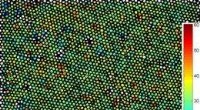
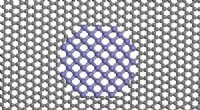
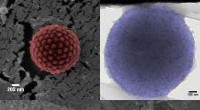
1. Scale: Nanotechnology operates at the nanoscale, which is incredibly small – one billionth of a meter. This means it deals with individual atoms and molecules, a level of manipulation not possible in traditional fields.
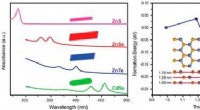
2. Properties: Materials at the nanoscale exhibit unique and often unexpected properties that are different from their bulk counterparts. This is due to the increased surface area and quantum effects that become dominant at this scale.
3. Applications: Nanotechnology has the potential to revolutionize many industries, from medicine and electronics to energy and materials science. Its applications are incredibly diverse and offer solutions to many challenges facing humanity.
4. Multidisciplinary: Nanotechnology is a highly interdisciplinary field, drawing on knowledge from physics, chemistry, biology, engineering, and materials science. This collaboration is essential to develop new nanomaterials and devices.
5. Emerging Technology: Nanotechnology is still a relatively young field, with ongoing research and development continuously pushing the boundaries of what's possible. This rapid evolution creates exciting opportunities for innovation.
Here's a breakdown of the differences with other fields:
* Chemistry: While chemistry deals with the composition, structure, and properties of matter, nanotechnology focuses on manipulating matter at the atomic and molecular level.
* Materials Science: Nanotechnology focuses on the specific properties and applications of materials at the nanoscale, while materials science deals with materials in general, regardless of size.
* Engineering: While engineering focuses on designing and building structures and systems, nanotechnology can be used to create new materials and components with enhanced properties, leading to innovative engineering solutions.
* Medicine: Nanotechnology offers a unique approach to treating diseases, using nanomaterials for drug delivery, targeted therapy, and medical imaging.
In essence, nanotechnology is unique because it focuses on manipulating matter at the most fundamental level, leading to remarkable properties and applications that have the potential to transform numerous industries.