1. Nanomaterial Design and Discovery:
* Computational Design: Bioinformatics tools like molecular modeling and simulation software can help design new nanomaterials with specific properties. This involves predicting the behavior of nanoparticles at the atomic level, optimizing their size, shape, and surface functionalization for desired applications.
* High-throughput Screening: Bioinformatics can analyze large datasets from high-throughput experiments, identifying promising nanomaterial candidates based on their interaction with biological systems. This accelerates the discovery process and helps prioritize materials for further investigation.
2. Nanomaterial Characterization and Analysis:
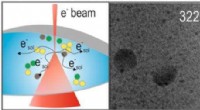
* Structure Determination: Bioinformatics tools analyze data from techniques like X-ray diffraction, electron microscopy, and NMR spectroscopy to determine the precise structure of nanomaterials. This knowledge is crucial for understanding their properties and designing new materials.
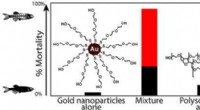
* Biocompatibility Assessment: Bioinformatics can predict the potential toxicity and biocompatibility of nanomaterials by analyzing their interactions with biological molecules and cellular processes. This ensures safety and enables responsible nanomaterial development.
3. Nanomedicine and Drug Delivery:
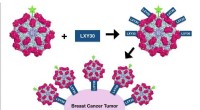
* Drug Delivery System Design: Bioinformatics can simulate and analyze the interaction of nanomaterials with drugs, cells, and tissues to design efficient and targeted drug delivery systems. This allows for the delivery of specific drugs to specific sites within the body, maximizing therapeutic efficacy and minimizing side effects.
* Personalized Nanomedicine: Bioinformatics helps tailor nanomedicine approaches to individual patients based on their genetic profile, disease state, and other factors. This promises more precise and effective treatments.
4. Nanobiotechnology and Biosensing:
* Biosensor Development: Bioinformatics assists in designing and optimizing biosensors, which use nanomaterials to detect specific biological molecules. This involves modeling the interaction between biomolecules and nanomaterial surfaces, optimizing sensitivity, and improving selectivity of the sensors.
* Biocompatible Nanomaterials for Biomedical Applications: Bioinformatics can identify and characterize nanomaterials with desirable properties for biomedical applications, such as biocompatibility, biodegradability, and targeting capabilities.
5. Environmental Nanotechnology:
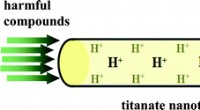
* Nanomaterial Remediation: Bioinformatics can analyze the environmental impact of nanomaterials, predict their fate in the environment, and design nanomaterials for remediation of pollutants and contaminants.
Examples of Bioinformatics Tools Used in Nanotechnology:
* Molecular Dynamics Simulations: Simulating the behavior of nanomaterials in different environments.
* Quantum Mechanics Calculations: Predicting the electronic properties of nanomaterials.
* Machine Learning Algorithms: Analyzing large datasets and identifying patterns related to nanomaterial properties.
* Database Mining: Searching and analyzing databases of known nanomaterials and their properties.
In conclusion, bioinformatics is a powerful tool for advancing nanotechnology, enabling the design, characterization, and application of nanomaterials for diverse fields, from medicine and drug delivery to environmental remediation and biosensing. By harnessing the power of bioinformatics, we can unlock the full potential of nanotechnology and create a future where nanomaterials contribute to solutions for global challenges.