Nanotechnology, the manipulation of matter at the atomic and molecular level, is revolutionizing the field of biology with its unique properties and versatility. Here are some key applications:
1. Bioimaging and Diagnostics:
* Targeted Drug Delivery: Nanocarriers like liposomes and nanoparticles can be engineered to deliver drugs specifically to diseased cells, reducing side effects and improving treatment efficacy.
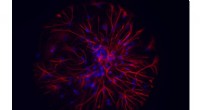
* Enhanced Imaging: Quantum dots and other nanoscale probes allow for highly sensitive and specific imaging of biological processes, offering better diagnosis and disease monitoring.
* Early Disease Detection: Nanobiosensors detect biomarkers in the bloodstream at incredibly low concentrations, enabling early diagnosis and personalized medicine.
2. Therapeutics and Treatment:
* Cancer Treatment: Nanomaterials like gold nanoparticles enhance the effectiveness of radiation therapy by absorbing and releasing heat locally, destroying cancerous cells.
* Antimicrobial Therapy: Nanoparticles can deliver antibiotics directly to bacteria, circumventing resistance mechanisms and enhancing treatment effectiveness.
* Tissue Engineering: Nanomaterials provide scaffolds for cell growth and tissue regeneration, aiding in wound healing and organ transplantation.
3. Genetic Engineering and Manipulation:
* Gene Editing: Nanoparticles can deliver CRISPR-Cas9 systems into cells for precise gene editing, opening new possibilities for treating genetic diseases.
* DNA Sequencing: Nanomaterials enhance the speed and accuracy of DNA sequencing, enabling faster and more efficient genetic analysis.
* Gene Delivery: Nanoparticles can efficiently transport genes into cells for therapeutic purposes, treating genetic diseases and improving gene therapy.
4. Other Applications:
* Biocompatible Materials: Nanomaterials with biocompatible properties can be used to create new implants and prosthetics with improved performance and reduced risk of rejection.
* Biosensing and Biodetection: Nanomaterials are being integrated into sensors for environmental monitoring, food safety, and pathogen detection.
* Agriculture and Food Technology: Nanotechnology can enhance crop yields, improve food safety, and extend shelf life.
Challenges and Considerations:
While nanotechnology holds immense potential, certain challenges must be addressed:
* Safety and Toxicity: Long-term effects of nanomaterials on living organisms require thorough research and regulatory frameworks.
* Ethical Concerns: Issues related to genetic engineering, privacy, and equitable access to nanotechnology need careful consideration.
* Cost and Accessibility: Wide-scale adoption of nanotechnology requires cost-effective production and accessibility for diverse populations.
Conclusion:
Nanotechnology is poised to transform biology and healthcare. Its applications, spanning from diagnostics and therapeutics to gene editing and biocompatible materials, offer unprecedented opportunities for advancements in disease treatment, prevention, and human well-being. However, careful consideration of ethical and safety implications is crucial for responsible development and application of this groundbreaking technology.