Nanotechnology, the manipulation of matter at the atomic and molecular level, offers a powerful toolkit for biotechnology. Here's how it's being utilized:
1. Drug Delivery:
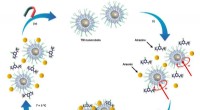
* Targeted Delivery: Nanoparticles can be designed to target specific cells or tissues, improving drug efficacy and reducing side effects. This allows for more precise treatment of diseases like cancer.
* Controlled Release: Nanoparticles can encapsulate drugs, releasing them over time at a controlled rate. This improves drug stability, extends release time, and reduces the frequency of administration.
* Biocompatible Materials: Nanoparticles made of biocompatible materials like polymers or lipids can be designed to safely interact with biological systems.
2. Diagnostics:
* Sensitive Detection: Nanomaterials can enhance the sensitivity of diagnostic tools, allowing for early and accurate detection of diseases. This is crucial for timely intervention and improved patient outcomes.
* Imaging: Nanoparticles can be used as imaging agents, providing high-resolution images of cells and tissues. This helps in diagnosis, monitoring disease progression, and guiding treatment.
* Lab-on-a-chip: Nanomaterials can be integrated into miniaturized diagnostic devices, allowing for rapid and point-of-care testing.
3. Gene Therapy:
* Gene Delivery: Nanoparticles can deliver genetic material into cells, correcting genetic defects or introducing therapeutic genes. This holds promise for treating genetic diseases like cystic fibrosis and muscular dystrophy.
* Gene Editing: Nanoparticles can be used to deliver CRISPR-Cas9 and other gene editing tools, allowing for targeted modification of the genome. This has the potential to cure diseases and improve human health.
4. Biomaterials and Tissue Engineering:
* Scaffolding: Nanomaterials can be used to create scaffolds that promote cell growth and tissue regeneration. This is important for developing artificial organs and treating tissue damage.
* Biocompatible Coatings: Nanomaterials can be applied as coatings to medical devices, enhancing their biocompatibility and preventing bacterial infections.
5. Food and Agriculture:
* Food Safety: Nanomaterials can be used to detect contaminants and pathogens in food, improving food safety and reducing foodborne illnesses.
* Crop Enhancement: Nanoparticles can deliver fertilizers and pesticides to plants, improving crop yields and reducing the environmental impact of agriculture.
Beyond these examples, nanotechnology is continuously evolving, opening new possibilities for biotechnology:
* Nanorobots: Researchers are developing tiny robots capable of performing tasks inside the body, such as delivering drugs or repairing damaged cells.
* Bio-printing: Nanomaterials are being used to print 3D tissue models, enabling personalized medicine and drug testing.
While nanotechnology offers great potential, ethical considerations and safety concerns need to be addressed. Research and development are ongoing to ensure the responsible and beneficial application of this powerful technology in the field of biotechnology.