The nanotechnology field is constantly evolving, so it's difficult to pinpoint the very latest developments. However, here are some of the most exciting and impactful areas currently being explored:
1. Advanced Materials:
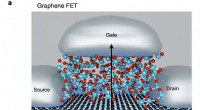
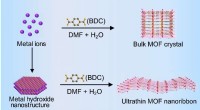
* 2D Materials: Beyond graphene, new 2D materials like MXenes and phosphorene are emerging, promising unique properties for electronics, energy storage, and catalysis.
* Nanomaterials for Electronics: Nanomaterials like quantum dots and nanotubes are being integrated into more efficient and smaller electronic components like solar cells, LED lighting, and flexible displays.
* Bio-Inspired Materials: Researchers are mimicking natural structures like spider silk and gecko feet to create strong, lightweight, and biocompatible materials for a wide range of applications.
2. Healthcare and Medicine:
* Nanomedicine: Nanocarriers are being used to deliver drugs and therapies directly to diseased cells, increasing effectiveness and minimizing side effects.
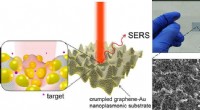
* Nanobiotechnology: Nanomaterials are being used to develop new diagnostic tools, like biosensors, for early disease detection and personalized medicine.
* Tissue Engineering and Regeneration: Nanomaterials are being used to create scaffolds and biocompatible materials for growing new tissues and organs.
3. Energy and Environment:
* Nanomaterials for Energy Storage: Nanomaterials like graphene and carbon nanotubes are being explored for use in next-generation batteries, fuel cells, and supercapacitors.
* Water Purification: Nanoparticles can be used to filter and purify water, making it more accessible and safe.
* Pollution Control: Nanomaterials are being used to clean up pollutants like heavy metals and organic contaminants.
4. Manufacturing and Engineering:
* Additive Manufacturing (3D Printing): Nanomaterials are being used to create materials with unique properties for 3D printing, enabling the fabrication of complex and customized products.
* Nanomanufacturing: Advanced nanotechnological techniques are being developed for precise and efficient manufacturing of nanoscale components.
5. Other Exciting Developments:
* Nanophotonics: The control of light at the nanoscale is leading to advancements in optical computing, sensors, and lasers.
* Quantum Nanotechnology: The merging of quantum mechanics with nanotechnology is leading to the development of new technologies like quantum computing and quantum sensing.
Challenges and Ethical Considerations:
While nanotechnology holds immense promise, there are also challenges and ethical considerations to address:
* Safety: The potential toxicity of nanomaterials needs further research and regulation.
* Environmental Impact: The long-term impact of nanomaterials on the environment needs to be carefully assessed.
* Social and Economic Implications: The development and use of nanotechnology need to be fair and equitable, with benefits reaching all of society.
The Future:
Nanotechnology is expected to revolutionize many aspects of our lives in the coming years, from medicine and energy to manufacturing and computing. As research continues, we can expect to see even more exciting and transformative developments in this rapidly evolving field.