1. Medicine and Healthcare:
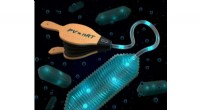
* Drug Delivery: Nanoparticles can be designed to carry drugs directly to specific cells or tissues, improving treatment effectiveness and reducing side effects.
* Diagnostic Imaging: Nanoparticles can be used as contrast agents in medical imaging techniques like MRI and CT scans, improving image clarity and allowing for earlier disease detection.
* Biomedical Sensing: Nanoparticles can be used to detect specific biomarkers in biological samples, allowing for early disease diagnosis and monitoring.
* Tissue Engineering: Nanoparticles can be used to create scaffolds for tissue regeneration, promoting cell growth and tissue formation.
2. Materials Science and Engineering:
* Nanomaterials: Nanoparticles can be used to create novel materials with enhanced properties like strength, conductivity, and thermal resistance.
* Catalysis: Nanoparticles act as highly efficient catalysts in chemical reactions, leading to faster and more efficient production processes.
* Coatings and Surfaces: Nanoparticle coatings can improve the durability, anti-fouling properties, and other characteristics of surfaces.
3. Electronics and Photonics:
* Electronics: Nanoparticles can be used in electronics to improve conductivity, reduce power consumption, and create new types of transistors.
* Solar Cells: Nanoparticles can enhance the efficiency of solar cells by increasing light absorption and charge transport.
* LED Lighting: Nanoparticles can improve the efficiency and color quality of LED lighting.
4. Environmental Science and Remediation:
* Water Treatment: Nanoparticles can be used to remove pollutants like heavy metals and pesticides from water sources.
* Air Purification: Nanoparticles can filter out harmful pollutants like particulate matter and gases from the air.
* Soil Remediation: Nanoparticles can be used to break down and remove contaminants from soil.
5. Energy Applications:
* Batteries: Nanoparticles can improve the storage capacity and charging speed of batteries.
* Fuel Cells: Nanoparticles can enhance the efficiency of fuel cells by increasing the rate of chemical reactions.
6. Food Science and Agriculture:
* Food Packaging: Nanoparticles can improve the barrier properties of food packaging, extending shelf life and preventing spoilage.
* Food Additives: Nanoparticles can enhance the texture, color, and taste of food products.
* Agriculture: Nanoparticles can be used as fertilizers and pesticides, delivering nutrients and controlling pests more effectively.
7. Other Uses:
* Cosmetics: Nanoparticles are used in cosmetics for their UV-blocking properties and for enhancing the appearance of skin and hair.
* Textiles: Nanoparticles can be used to create fabrics with water-repellent, stain-resistant, and anti-microbial properties.
* Security: Nanoparticles can be used in security applications like anti-counterfeiting and authentication.
Safety Concerns:
While nanoparticles offer many advantages, there are also concerns regarding their potential toxicity and environmental impact. Research is ongoing to assess the safety of nanoparticles and develop sustainable methods for their production and use.
Overall, nanoparticles offer a wide range of potential applications across various scientific fields. Their unique properties make them a valuable tool for developing innovative solutions to a variety of challenges in medicine, materials science, energy, and more. However, their potential impact on human health and the environment needs to be carefully studied and managed.