What is a Catalyst?
* A catalyst speeds up a chemical reaction without being consumed in the process. It provides an alternative reaction pathway with a lower activation energy.
* Catalysts are essential for many industrial processes, including oil refining, chemical production, and environmental cleanup.
What Makes Nanocatalysts Special?
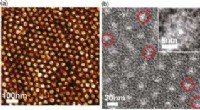
* Increased Surface Area: Nanomaterials have a significantly larger surface area per unit mass compared to their bulk counterparts. This means more active sites are available for interaction with reactants, leading to faster reaction rates.
* Quantum Effects: At the nanoscale, materials exhibit unique properties due to quantum effects. These effects can influence the electronic structure of the catalyst, enhancing its activity and selectivity for specific reactions.
* Improved Stability: Nanocatalysts can be more stable than their bulk counterparts due to their smaller size, preventing sintering (agglomeration) and deactivation.
* Tailored Properties: Nanomaterials can be synthesized with precise control over their size, shape, and composition, allowing for the fine-tuning of catalytic properties.
Applications of Nanocatalysts:
Nanocatalysts are used in a wide range of applications, including:
* Energy Production: Catalysis plays a critical role in renewable energy technologies, such as fuel cells, solar energy conversion, and biomass conversion.
* Environmental Remediation: Nanocatalysts can be used to remove pollutants from air and water, such as NOx, CO, and heavy metals.
* Chemical Synthesis: Nanocatalysts are employed in the production of various chemicals, pharmaceuticals, and materials.
* Fine Chemicals and Pharmaceuticals: Nanocatalysts enable the synthesis of complex molecules with high selectivity and efficiency.
Challenges and Future Directions:
* Cost and Scalability: The synthesis and production of nanocatalysts can be costly, limiting their widespread adoption.
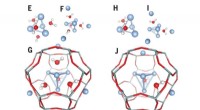
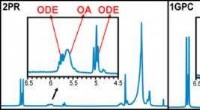
* Characterization and Understanding: Characterizing and understanding the complex mechanisms of nanocatalysis is crucial for further development.
* Sustainability and Safety: Ensuring the long-term sustainability and safety of nanocatalysts, especially in terms of potential environmental and health impacts, is essential.
In conclusion, nanocatalysts are emerging as powerful tools for enhancing catalytic activity and enabling new chemical processes. Continued research and development are crucial to overcome challenges and unlock the full potential of these innovative materials.