In fiction:
* Capabilities: Nanites are often depicted with incredible abilities, like self-replication, repairing damaged tissue, altering materials at a molecular level, or even controlling the behavior of organisms.
* Applications: They are used in a wide range of applications, including medicine, manufacturing, warfare, and even creating artificial life forms.
* Examples: You can find nanites in popular science fiction works like "The Matrix," "Star Trek," and "The Terminator."
In reality:
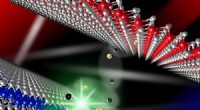
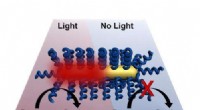
* Nanotechnology: While the term "nanonites" is not used in scientific circles, the field of nanotechnology is rapidly developing.
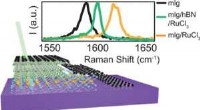
* Nanomaterials: Scientists are creating and exploring the properties of nanomaterials, which are materials with dimensions in the nanometer range. These materials have unique properties that can be used for various applications.
* Nanorobots: The development of actual "nanorobots" is still in its early stages. However, researchers are working on creating microscopic machines that can perform specific tasks, like delivering drugs to targeted cells.
It's important to distinguish between the fictional and real-world applications of nanotechnology. While science fiction often portrays nanites with fantastical abilities, real-world nanotechnology focuses on developing materials and machines with specific and practical applications.
Some real-world applications of nanotechnology include:
* Medicine: Nanomaterials are used in drug delivery systems, imaging techniques, and tissue engineering.
* Electronics: Nanomaterials are used to create smaller, faster, and more efficient electronic devices.
* Energy: Nanomaterials are being explored for use in solar cells, batteries, and fuel cells.
* Environmental Science: Nanomaterials are being used to clean up pollutants and develop sustainable energy sources.
While the "nanonites" of science fiction may still be far off, nanotechnology is already making a significant impact on our world.