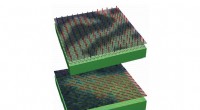
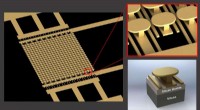
Here's why:
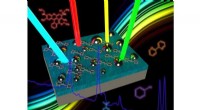
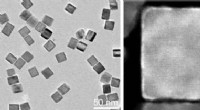
* Nanomachines are real: The field of nanotechnology deals with the design, production, and application of structures, devices, and systems at the nanoscale (1-100 nanometers). This field has significant applications in medicine, electronics, and materials science.
* "Nanomites" are not: The word "nanomites" implies a specific type of nanomachine with self-replication and advanced capabilities often depicted in science fiction. While nanomachines exist, they are far from having the capabilities attributed to "nanomites."
Here's a breakdown of the differences:
Nanomites (Fictional):
* Self-replicating: Can reproduce themselves, potentially leading to uncontrolled growth.
* Complex tasks: Can perform complex tasks like surgery, repair, or information processing.
* Autonomous: Can operate independently with minimal human intervention.
Nanomachines (Real):
* Non-replicating: Current nanomachines do not have the ability to self-replicate.
* Specific tasks: Designed for specific tasks, like delivering drugs, sensing disease markers, or improving material properties.
* Controlled operation: Require external control and are not autonomous.
The bottom line: While nanotechnology is a rapidly advancing field, the "nanomites" depicted in science fiction are not yet a reality. However, the ongoing research in nanotechnology promises exciting possibilities for the future.