Here's a breakdown of what makes nanoparticles special:
Size: Their incredibly small size is key. It gives them unique properties compared to the same material in bulk form. Think about how a lump of sugar is different from granulated sugar.
Properties: These properties can include:
* Increased surface area: Nanoparticles have a much larger surface area per unit of volume compared to larger particles. This makes them incredibly reactive and can be used for things like catalysis and drug delivery.
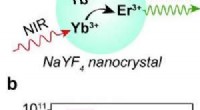
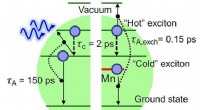
* Optical properties: Nanoparticles can interact with light in different ways, making them useful for applications like solar cells and bioimaging.
* Electrical properties: Nanoparticles can conduct electricity differently than bulk materials, leading to applications in electronics and sensors.
* Mechanical properties: Nanoparticles can be stronger and lighter than their bulk counterparts, making them useful in materials science and engineering.
Examples:
* Gold nanoparticles: Used in medical imaging and cancer treatment.
* Silver nanoparticles: Have antimicrobial properties and are used in wound dressings and water purification.
* Carbon nanotubes: Exceptionally strong and lightweight, making them ideal for composites and electronics.
* Quantum dots: Emit light of specific colors, leading to applications in displays and bioimaging.
Applications:
Nanoparticles have a wide range of applications, including:
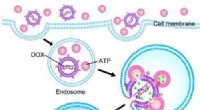
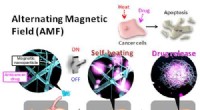
* Medicine: Drug delivery, diagnostics, and therapy.
* Electronics: Solar cells, transistors, and sensors.
* Materials science: Composites, coatings, and catalysts.
* Cosmetics: Sunscreen, anti-aging creams, and colorants.
* Food industry: Packaging, additives, and food fortification.
Safety Concerns:
While nanoparticles offer many benefits, there are also safety concerns. These include:
* Toxicity: Some nanoparticles can be toxic to humans and the environment.
* Environmental impact: Nanoparticles can accumulate in the environment and have unknown long-term effects.
Research and Development:
Nanotechnology is a rapidly evolving field with ongoing research to understand the properties and applications of nanoparticles, as well as their potential risks.
It's important to remember that nanoparticles are not a one-size-fits-all solution. Each type has its own unique properties and potential applications, and their use should be carefully considered based on their specific characteristics.