Here's a breakdown of key features and applications:
What are Microspheres made of?
* Polymers: Commonly used materials include polystyrene, polymethyl methacrylate (PMMA), polyvinyl chloride (PVC), and biodegradable polymers like polylactic acid (PLA).
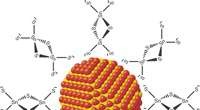
* Biocompatible materials: This can include ceramics, metals (like gold or iron oxide), and even natural substances like proteins or lipids.
Why are Microspheres useful?
Microspheres have a wide range of applications due to their unique properties:
* High surface area: Their small size allows them to have a large surface area per unit volume, which makes them ideal for drug delivery, diagnostics, and catalysts.
* Controlled release: They can be designed to release their contents over time, making them useful for sustained drug delivery or controlled release of other substances.
* Encapsulation: Microspheres can encapsulate various materials, including drugs, enzymes, and other bioactive molecules.
* Targeted delivery: They can be functionalized with specific ligands that target particular cells or tissues, making them useful for targeted drug delivery or diagnostic imaging.
Where are Microspheres used?
* Medicine:
* Drug delivery: To deliver drugs in a sustained and targeted manner.
* Vaccines: Used in some vaccines to deliver antigens.
* Diagnostic imaging: For contrast agents in MRI or ultrasound scans.
* Biotechnology:
* Tissue engineering: To provide scaffolding for cell growth.
* Bioseparation: To separate and purify biomolecules.
* Sensing: For environmental monitoring or biosensing.
* Other applications:
* Cosmetics: For skin care products.
* Agriculture: For controlled release of fertilizers and pesticides.
* Industry: As catalysts, additives, or fillers in various materials.
Examples:
* Microsphere drug delivery: A microsphere containing a chemotherapy drug is injected into the bloodstream. The microsphere slowly releases the drug over time, allowing for a higher dose and longer duration of treatment.
* Microsphere vaccine: A microsphere contains an antigen that triggers an immune response, protecting against a specific disease.
* Microsphere contrast agent: A microsphere filled with a gas is injected into the bloodstream. The gas creates a contrast that allows doctors to see blood flow better in ultrasound scans.
Important note: There are different types of microspheres, and their properties vary depending on their composition and method of preparation.