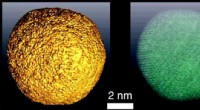
Nanoscience is the study of matter at the nanoscale, which is roughly 1 to 100 nanometers. To put that in perspective, a nanometer is one billionth of a meter. This is the realm of atoms and molecules, where materials exhibit unique properties not seen at larger scales.
Nanotechnology is the application of nanoscience to create new materials, devices, and systems with novel properties and functions. It involves manipulating matter at the nanoscale to control its properties, such as its strength, conductivity, or reactivity.
Here's a breakdown of the key aspects:
Why is nanoscience important?
* Unique Properties: At the nanoscale, materials behave differently. For example, gold, which is typically inert, becomes a powerful catalyst at the nanoscale.
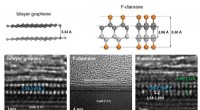
* Enhanced Functionality: Nanomaterials can offer greater surface area, better conductivity, and other improved properties compared to their bulk counterparts.
* New Possibilities: Nanotechnology opens up a whole new world of possibilities in various fields, from medicine to electronics.
Examples of Nanotech Applications:
* Electronics: Nanowires and nanotubes are used in faster, more efficient computer chips and transistors.
* Medicine: Nanomedicine utilizes nanoparticles for targeted drug delivery, early disease diagnosis, and tissue regeneration.
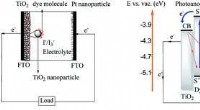
* Energy: Nanomaterials are used in solar cells, batteries, and fuel cells to improve energy efficiency and storage.
* Environmental Science: Nanomaterials can be used for water purification, pollution control, and soil remediation.
* Textiles: Nanofabrics offer enhanced durability, stain resistance, and even self-cleaning properties.
Challenges and Concerns:
* Toxicity and Environmental Impact: The long-term effects of nanomaterials on human health and the environment are still being researched.
* Ethical Considerations: The use of nanotechnology raises ethical questions, such as the potential for misuse and the impact on employment.
* Regulation and Standardization: The rapid development of nanotechnology requires appropriate regulations and standards to ensure responsible development and use.
The future of nanoscience and nanotechnology:
The field is constantly evolving with exciting breakthroughs happening all the time. From advanced quantum computing to revolutionary materials for space exploration, nanotechnology has the potential to transform the world in countless ways.
In summary, nanoscience and nanotechnology delve into the realm of the incredibly small, unlocking unique properties and creating innovative solutions for a wide range of challenges and opportunities.