1. Preparation of Raw Materials:
* Carbon Material: This can be various forms of carbon, such as:
* Activated carbon: High surface area, good for energy storage.
* Carbon black: Finely divided carbon, used for conductivity.
* Graphene: Excellent conductivity and mechanical strength.
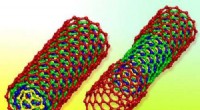
* Carbon nanotubes: High aspect ratio, good for conductivity and mechanical reinforcement.
* Rubber Material: This is typically natural rubber, synthetic rubber (like SBR or NBR), or a blend of both. The choice depends on the desired flexibility, temperature resistance, and chemical resistance.
* Other Additives: These can include:
* Binders: To improve adhesion and cohesion.
* Conductive fillers: Like carbon black or conductive polymers, to increase conductivity.
* Reinforcing agents: To enhance mechanical strength, e.g., silica or glass fibers.
* Antioxidants: To prevent degradation.
* Fillers: To adjust properties like density, cost, etc.
2. Mixing and Dispersion:
* The carbon material, rubber, and additives are mixed in a high-speed mixer or a kneader.
* The goal is to achieve a homogeneous dispersion of the carbon within the rubber matrix.
* The mixing process can be done in stages, with different components added at different times.
3. Shaping and Curing:
* The mixed rubber compound is then shaped into the desired electrode form.
* This can be done through:
* Extrusion: For continuous sheets or rods.
* Molding: For more complex shapes.
* 3D printing: For customizable designs.
* After shaping, the electrode is cured.
* This is usually achieved through heating the electrode in a mold, causing the rubber to vulcanize and solidify.
4. Characterization and Testing:
* Once the electrode is cured, it is characterized to ensure it meets the desired specifications.
* This may include:
* Electrical conductivity measurement: To determine the electrode's ability to conduct electricity.
* Mechanical testing: To measure strength, stiffness, and flexibility.
* Surface area analysis: To assess the electrode's ability to hold charge or participate in chemical reactions.
* Porosity measurement: To determine the electrode's ability to allow the flow of fluids.
Specific Considerations:
* Type of Carbon: The choice of carbon material significantly impacts the final electrode properties. For example, activated carbon is good for high-surface-area applications like supercapacitors, while carbon nanotubes offer excellent conductivity for high-power applications like batteries.
* Rubber Type: The rubber choice depends on the operating conditions. For example, natural rubber offers good flexibility and chemical resistance but is not as resistant to high temperatures as some synthetic rubbers.
* Additives: The selection and amount of additives can significantly influence the electrode's conductivity, strength, and other properties.
Applications of Carbon Rubber Electrodes:
* Energy Storage: Supercapacitors, batteries, fuel cells.
* Sensors: Pressure sensors, strain sensors, temperature sensors.
* Actuators: Electroactive polymers, artificial muscles.
* Electrochemical Catalysis: Electrocatalytic reactions for fuel cells and chemical synthesis.
* EMI Shielding: Protection from electromagnetic interference.
Remember, creating a high-performance carbon rubber electrode is a process requiring careful optimization of all the factors described above. The specific procedures will depend on the intended application and desired properties.