* Contrast: The powder creates a stark contrast with the surface, making the print stand out more. For example, black powder on a white surface will be very obvious.
* Thickness: The powder adds a layer of material to the print, making it thicker and easier to see.
* Reflection: The powder can reflect light, making the print appear brighter and more visible.
Here's a simplified explanation:
Imagine a fingerprint as a tiny, invisible valley carved into a surface. The powder fills those valleys, making the print appear like a raised bump. This makes the print easier to see and photograph.
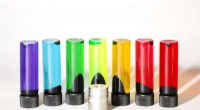
Types of Fingerprint Powder:
Different types of powder are used for different surfaces:
* Black Powder: Used on lighter surfaces like white paper or light-colored fabrics.
* White Powder: Used on darker surfaces like dark wood or black leather.
* Magnetic Powder: Used on surfaces that may be damaged by other powders, like metal or glass.
* Fluorescent Powder: Used to reveal prints on surfaces where other powders might not be visible.
The choice of powder depends on the surface and the desired contrast.