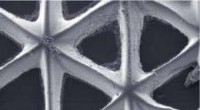
1. Filtration:
* Laboratory research: Nylon membranes are used in filtration processes to separate particles, molecules, or cells based on their size. This is common in applications like:
* Sterilization: Filtering solutions and media to remove bacteria and other contaminants.
* Protein purification: Separating proteins based on their molecular weight.
* Cell culture: Isolating cells or removing debris from cell cultures.
* Industrial applications: Nylon membranes are used in industrial filtration processes, such as:
* Water treatment: Removing suspended solids and bacteria from drinking water.
* Air purification: Filtering air to remove dust, pollen, and other airborne particles.
* Food and beverage processing: Removing microorganisms and other contaminants from food and beverages.
2. Medical applications:
* Wound dressings: Nylon membranes are used as a component of wound dressings, providing a breathable barrier to protect the wound and promote healing.
* Medical devices: Nylon membranes can be used in the construction of various medical devices, such as filters, catheters, and implants.
3. Other applications:
* Electrochemical applications: Nylon membranes are used as separators in batteries and fuel cells, allowing for the movement of ions while preventing the flow of electrons.
* Membrane separation: Nylon membranes can be used to separate gases or liquids based on their molecular weight or chemical properties.
* Textiles: Nylon membranes are used to create waterproof and breathable fabrics for clothing and other applications.
Key features of nylon membranes that make them suitable for these applications:
* High tensile strength: This makes them durable and resistant to tearing.
* Chemical resistance: They can withstand exposure to a wide range of chemicals.
* Biocompatibility: They are compatible with biological systems, making them suitable for medical applications.
* Porosity: They can be manufactured with a range of pore sizes to suit specific applications.
* Hydrophobicity: Some nylon membranes are hydrophobic, making them suitable for applications involving water-repellent materials.
The specific purpose of a nylon membrane will depend on its pore size, thickness, and surface treatment. This range of properties makes nylon membranes a valuable tool in a variety of fields.