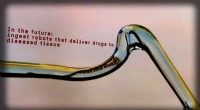
* Targeted Drug Delivery: Nanobots can be programmed to deliver drugs directly to diseased cells, reducing the risk of side effects.
* Cancer Treatment: Nanobots can be used to deliver chemotherapy drugs directly to tumors, reducing the risk of damage to healthy cells.
* Gene Therapy: Nanobots can be used to deliver genes that can correct genetic defects.
* Tissue Engineering: Nanobots can be used to create new tissue and organs.
Industrial Applications
* Manufacturing: Nanobots can be used to create new materials and products with precise atomic-scale control.
* Energy Production: Nanobots can be used to improve the efficiency of solar cells, fuel cells, and other energy-generating devices.
* Environmental Cleanup: Nanobots can be used to remove pollutants from the environment.
* Water Purification: Nanobots can be used to clean water by removing impurities.
Military Applications
* Surveillance: Nanobots can be used to spy on enemies without being detected.
* Targeting: Nanobots can be used to deliver weapons directly to targets.
* Sabotage: Nanobots can be used to sabotage enemy equipment.
* Biological Warfare: Nanobots can be used to spread diseases or toxins.
Ethical Considerations
The potential benefits of nanobots are enormous, but there are also ethical concerns that need to be considered. For example, nanobots could be used to create designer babies, enhance human intelligence, or control people's behavior. It is important to develop ethical guidelines for the use of nanobots to ensure that they are used for good and not for evil.