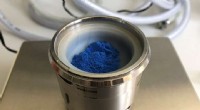
The flash point of a lubricant is typically measured in degrees Celsius or Fahrenheit, and is determined using a specific testing procedure. The procedure involves gradually heating the lubricant in a controlled environment and exposing it to a flame or other ignition source until it ignites. The temperature at which ignition occurs is recorded as the flash point.
Different lubricants have different flash points, depending on their composition and properties. Generally, lubricants with a lower viscosity and a higher content of volatile components have lower flash points, while those with a higher viscosity and a lower content of volatile components have higher flash points. Lubricants that contain certain additives, such as extreme pressure additives, may also have a higher flash point than those that do not.
The flash point of a lubricant is an important consideration for selecting and using lubricants in various applications. Lubricants should be chosen with a flash point that is appropriate for the intended use, considering the potential for fire hazards and the risk of ignition in the operating conditions.