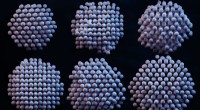
Nanoparticles can pose a risk to human health if they are inhaled, ingested, or come into contact with the skin. Some nanoparticles can be toxic to cells, and they can also accumulate in the body and cause long-term health problems.
Current water treatment methods are not designed to remove nanoparticles. Conventional water treatment processes, such as filtration and disinfection, are not effective at removing particles that are smaller than a certain size. Nanoparticles are typically much smaller than the pores in water filters, and they can also survive disinfection processes.
As a result, nanoparticles can pass through water treatment plants and enter the drinking water supply. There is growing concern about the potential health risks of nanoparticles in drinking water, and research is underway to develop new water treatment methods that can remove nanoparticles.
Some potential methods for removing nanoparticles from water include:
* Membrane filtration: This process uses a membrane with very small pores to physically remove particles from water.
* Activated carbon adsorption: This process uses activated carbon to adsorb particles from water.
* Chemical coagulation: This process uses chemicals to cause particles to clump together so that they can be removed by filtration.
* Oxidation: This process uses chemicals to oxidize nanoparticles so that they can be removed by filtration.
These methods are still in the early stages of development, and more research is needed to determine their effectiveness and cost-effectiveness.